Translate the academic aims into a route
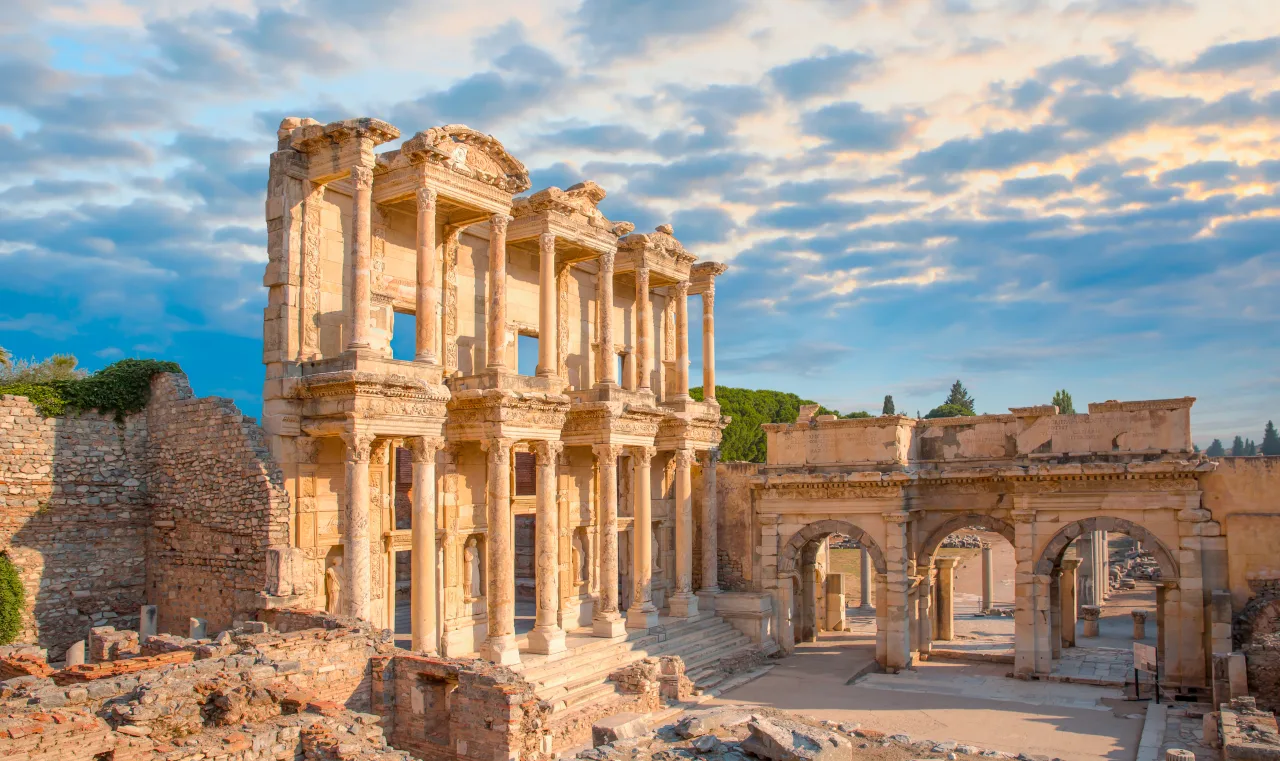
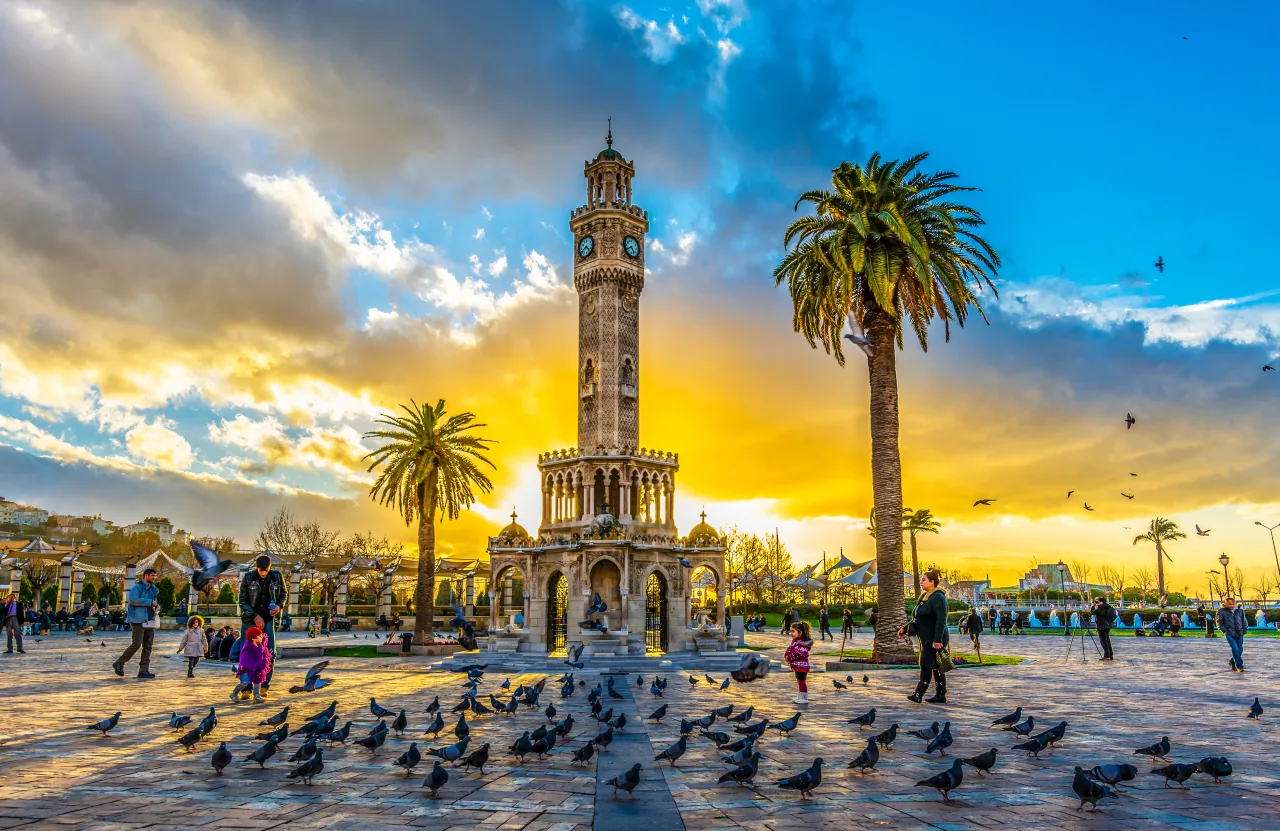
Send the subject focus, participant level and what students should be able to examine or compare. İzmir, Ephesus and Pergamon can be discussed as a coherent regional framework, but the final selection follows the teaching purpose rather than a standard sightseeing list. Time for observation, note-taking and discussion may justify fewer sites and longer visits, with rest and travel days acknowledged honestly.
Separate public visits from specialist access
An ordinary site entrance does not include an excavation meeting, research collection or university appointment. Such requests need advance investigation and approval from the relevant institution or authority. A local guide, a lecturer and the group’s faculty leader perform different roles. We can seek suitable specialist participation when requested, without inventing academic partnerships, guaranteed speakers or access unavailable to the public.
Make the group arrangements teachable and practical
Rooming, meal timing, transport capacity and equipment needs should support the academic programme. Decide who handles attendance, conduct, emergency contacts and student supervision before travel. Some institutions require specific paperwork or supplier information; share those requirements early. The agreed schedule can leave space for seminar discussion, independent study and a final review, while the institution retains responsibility for credit, assessment and academic recognition.
Give faculty a usable operating document
A study programme benefits from a clear daily distinction between travel, taught time, independent work and meals. The faculty team can then see where learning activities depend on a guide, a site opening or a separate appointment. Share the institution’s approval deadlines and the level of detail needed for its internal review. The resulting proposal should support academic planning without presenting travel coordination as validation of the course itself.