Choose walking as the centre of the journey
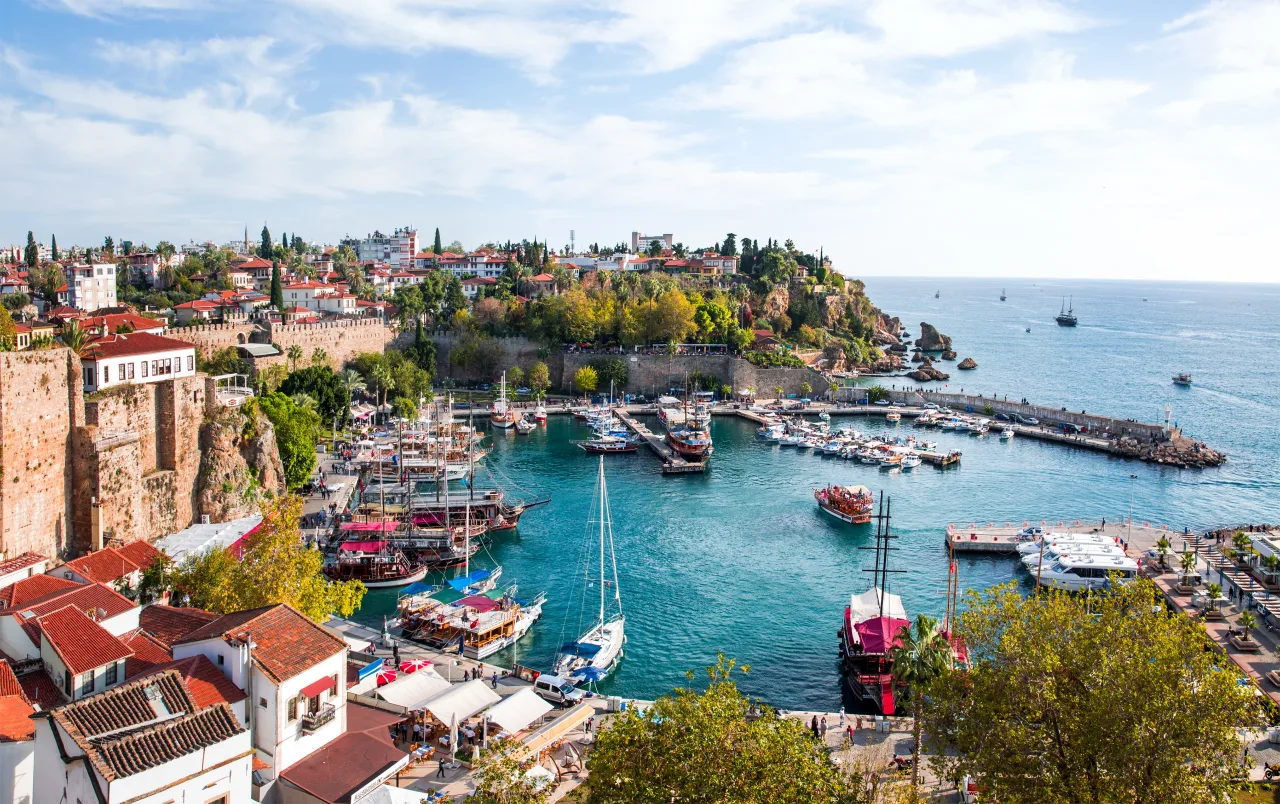
This proposal differs from a coach-based pilgrimage or a tour of the Seven Churches. It is for travellers who want substantial time on foot, with historical interpretation alongside the landscape. An Antalya-area arrival can serve as a starting point for discussing suitable trail sections and inland bases, but it does not commit the group to completing the entire long-distance route.
Connect stages that work together
A useful itinerary selects a coherent set of walks rather than joining distant places because their names appear in the same historical narrative. Trailhead access, accommodation and pickup options influence the sequence. We can plan shorter days or rest time, but some stages may have limited exit points. The agreed programme should describe effort and transfer requirements for each selected section.
Treat heritage and practical support separately
You may want a guide who explains regional history, a walking leader, or a combination that needs careful sourcing. The modern trail should not be presented as proof of every step taken by a historical figure. Archaeological visits can be requested where relevant and open to visitors. Water planning, luggage transport and communication arrangements deserve explicit attention in a route that leaves the usual sightseeing pattern.
Explain the balance of history and walking
Some groups want most of the day outdoors, while others prefer a shorter walk followed by discussion of regional heritage. Share that balance, the language you need and any fixed historical interests before route research begins. The resulting proposal can distinguish the walking leader’s duties from interpretation and show where a separate cultural visit would add value rather than repeating material already covered elsewhere in your Turkey journey.