Use one main idea each day
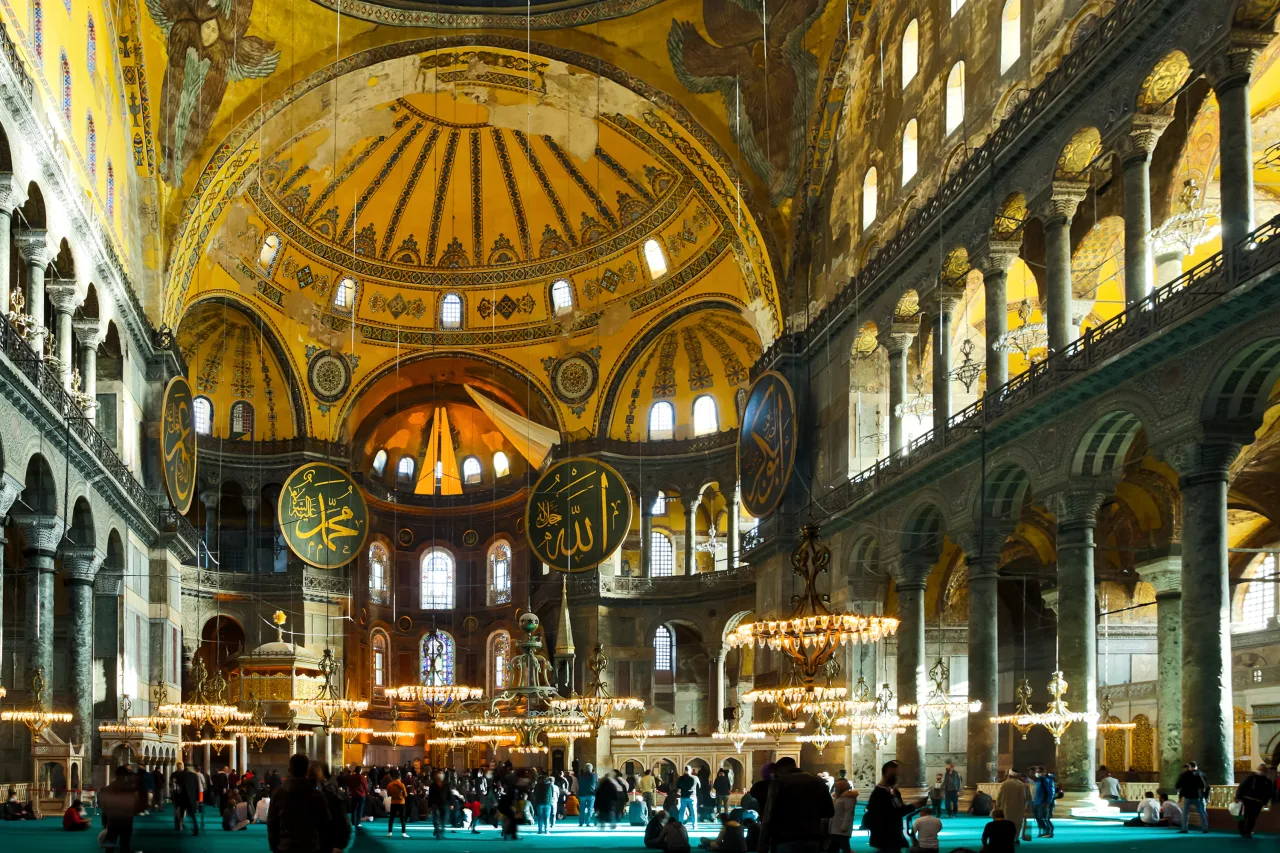
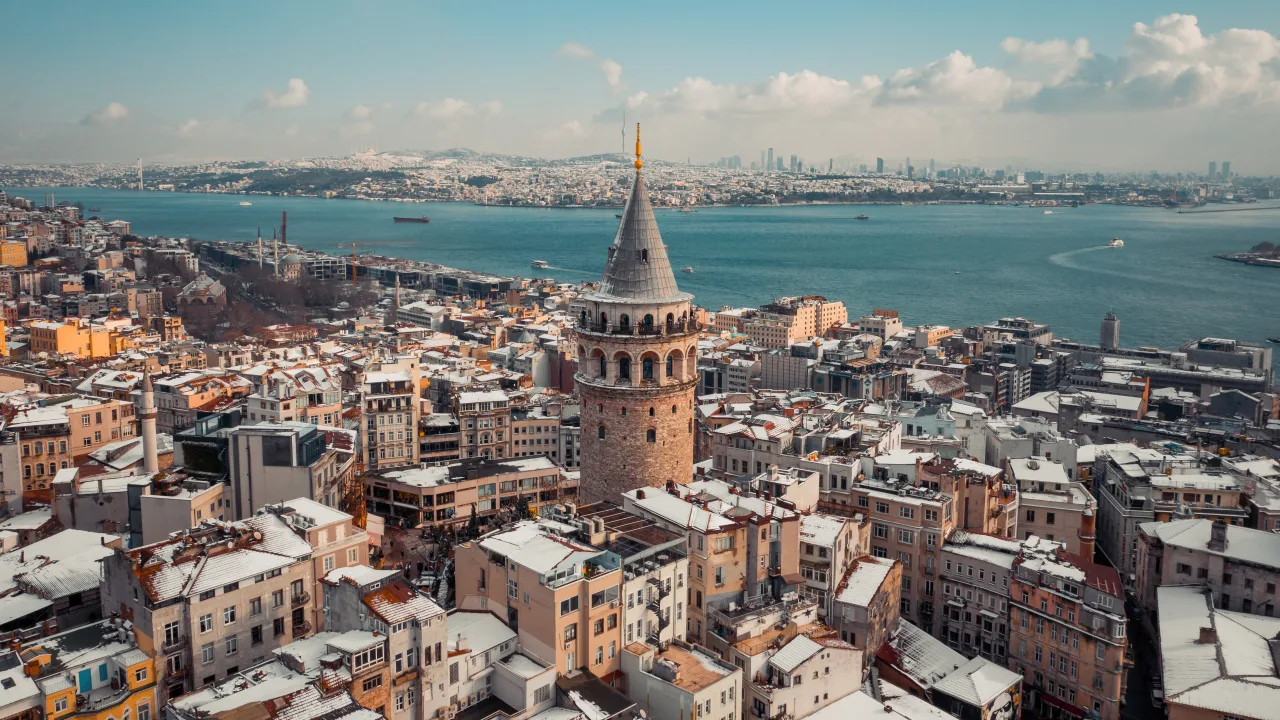
In Istanbul, a historic visit, a waterfront outing or a food-focused walk can anchor the day without all three becoming compulsory. Shorter blocks allow a child’s curiosity to shape the conversation. Tell us ages, interests, normal meal times and the kind of visit that usually works at home. A private guide can adjust the explanation, but museum access and public spaces are still shared with other visitors.
Let Cappadocia change the pace
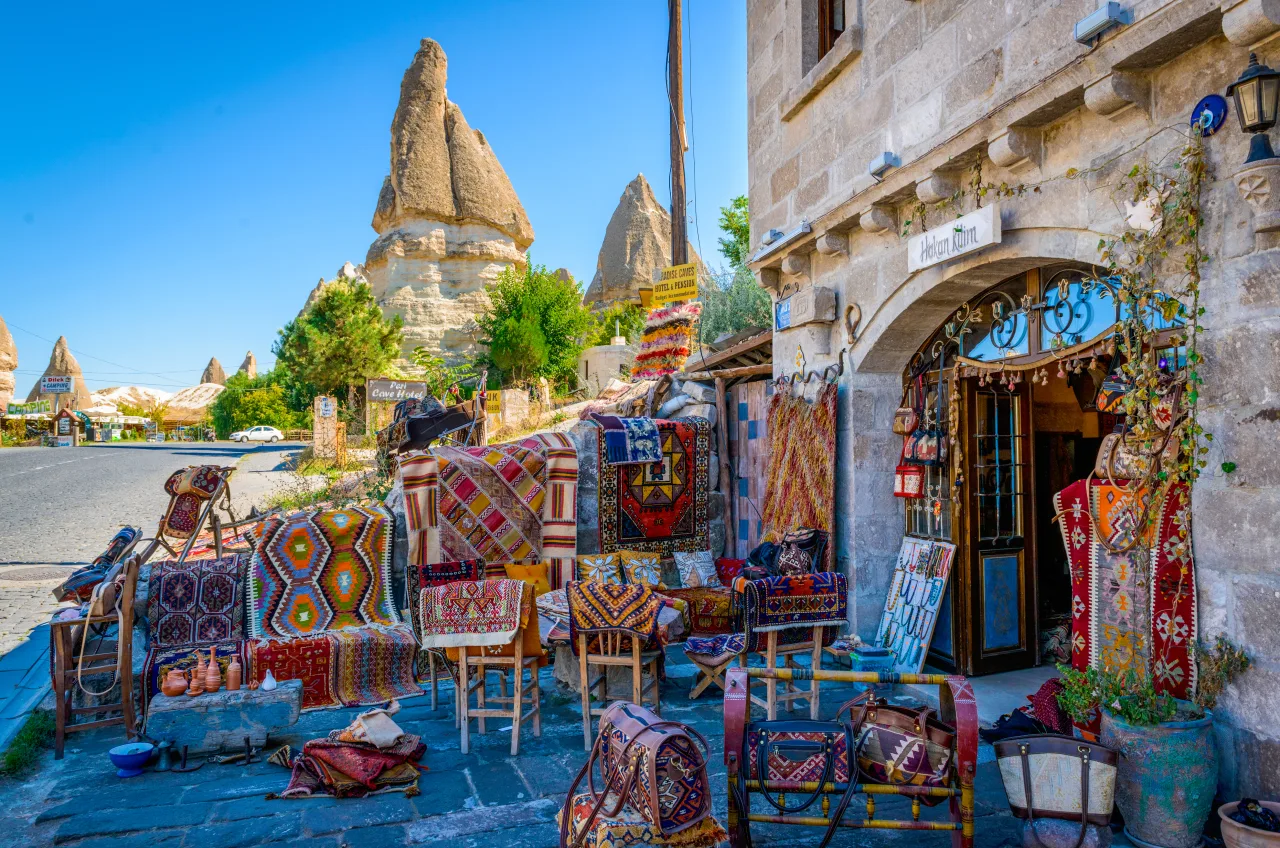
After the city, Cappadocia can introduce landscape observation, a manageable valley walk and a separately confirmed craft session. Underground or enclosed visits need discussion if anyone dislikes confined spaces. An adventure activity is not automatically appropriate because children enjoy being outdoors. Riding, ballooning and vehicle outings each have their own provider requirements and should be assessed separately from the family’s general sightseeing plan.
Make everyday arrangements part of the itinerary
Room connections, bedding, child seats, luggage and flight timing affect the experience as much as the attractions. A two-base journey can include a free afternoon and an optional split programme when ages or interests differ. The written proposal identifies supervision responsibilities, meals and transfers. We can request suitable arrangements, but do not label all hotels or every activity universally child-friendly.
Let the children help choose
A few preferences from each child can be more useful than a long list of attractions. They might be curious about boats, underground spaces, making things or how people lived in earlier times. Parents can add the practical boundaries: meal needs, early nights and how much independence is appropriate. We use that brief to create a shared journey with choices, rather than promising entertainment every hour of the day.