The focus of the day
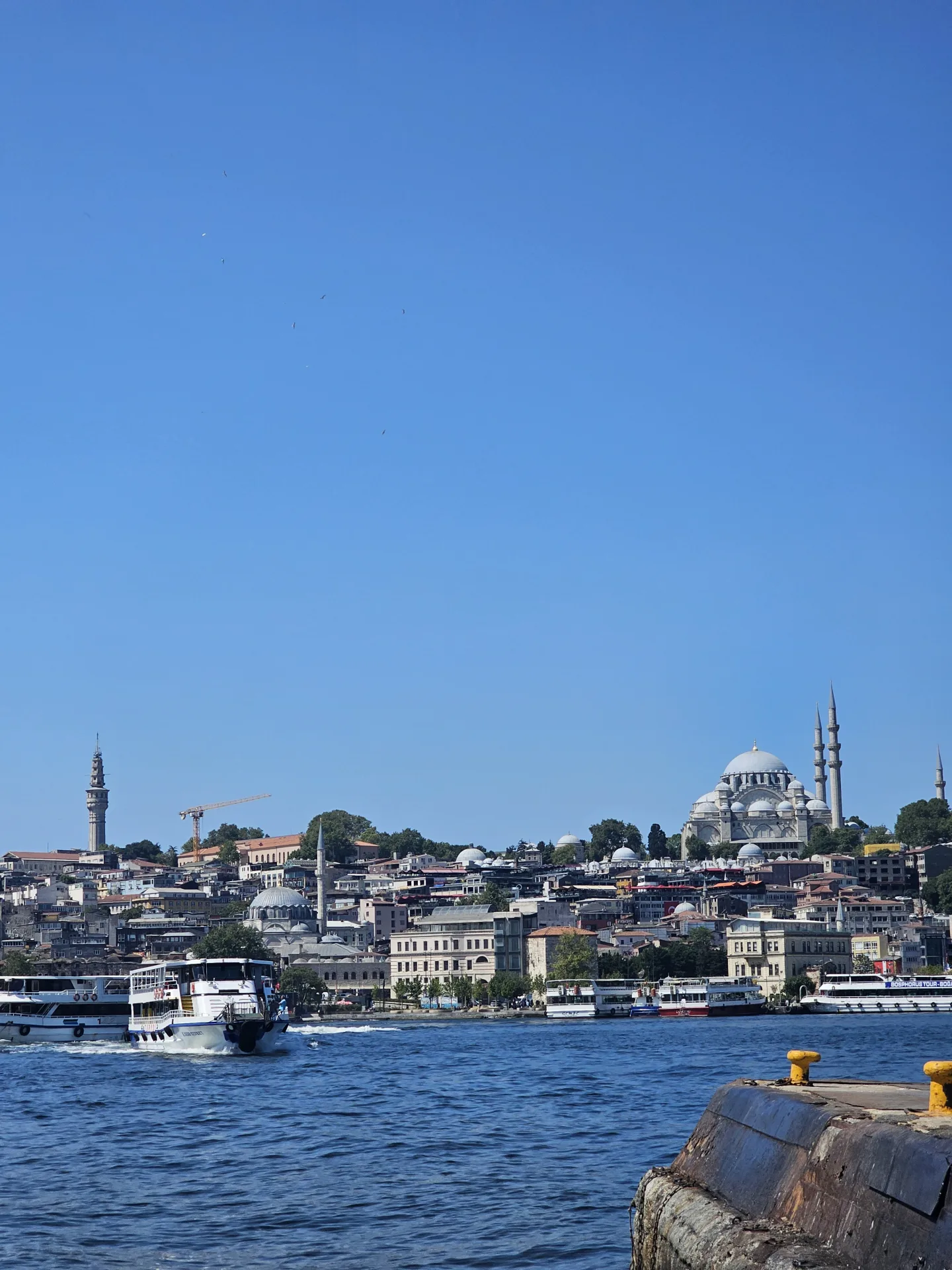
This proposed day centres on Spice Market, Bosphorus, Dolmabahçe Palace, Ortaköy Mosque, Çırağan Palace, Bosphorus Bridge, Rumeli Fortress, Küçüksu Pavilion, Fatih Sultan Mehmet Bridge, Maiden's Tower. Use the outline to discuss which elements fit your interests and the actual time available, rather than assuming every listed place has the same visit duration.
Understanding the visit outline
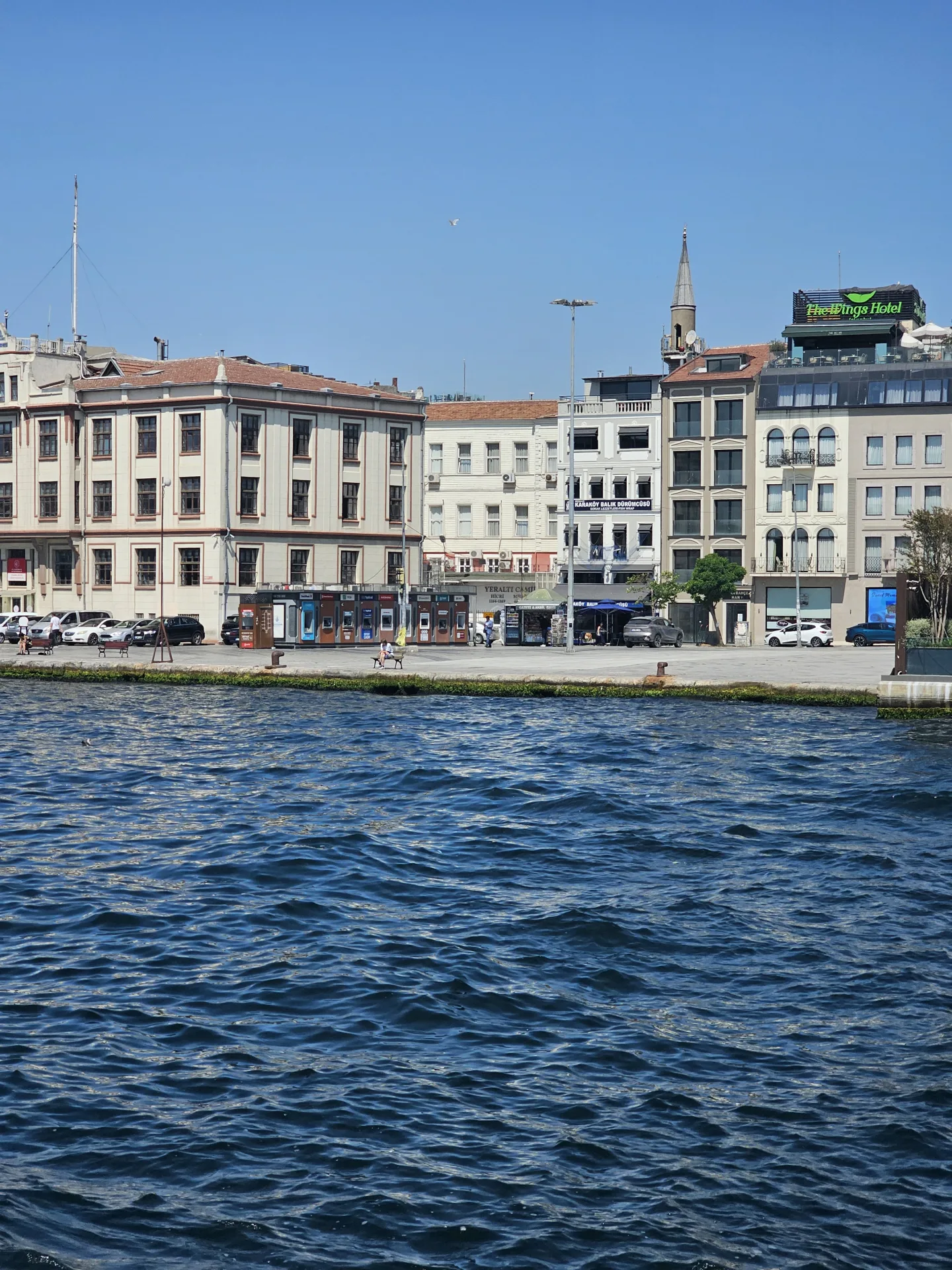
The Spice Market connects commercial tradition with the streets around the Golden Horn. It makes a different stop from the larger covered bazaar, and can be approached through regional ingredients and everyday market life.
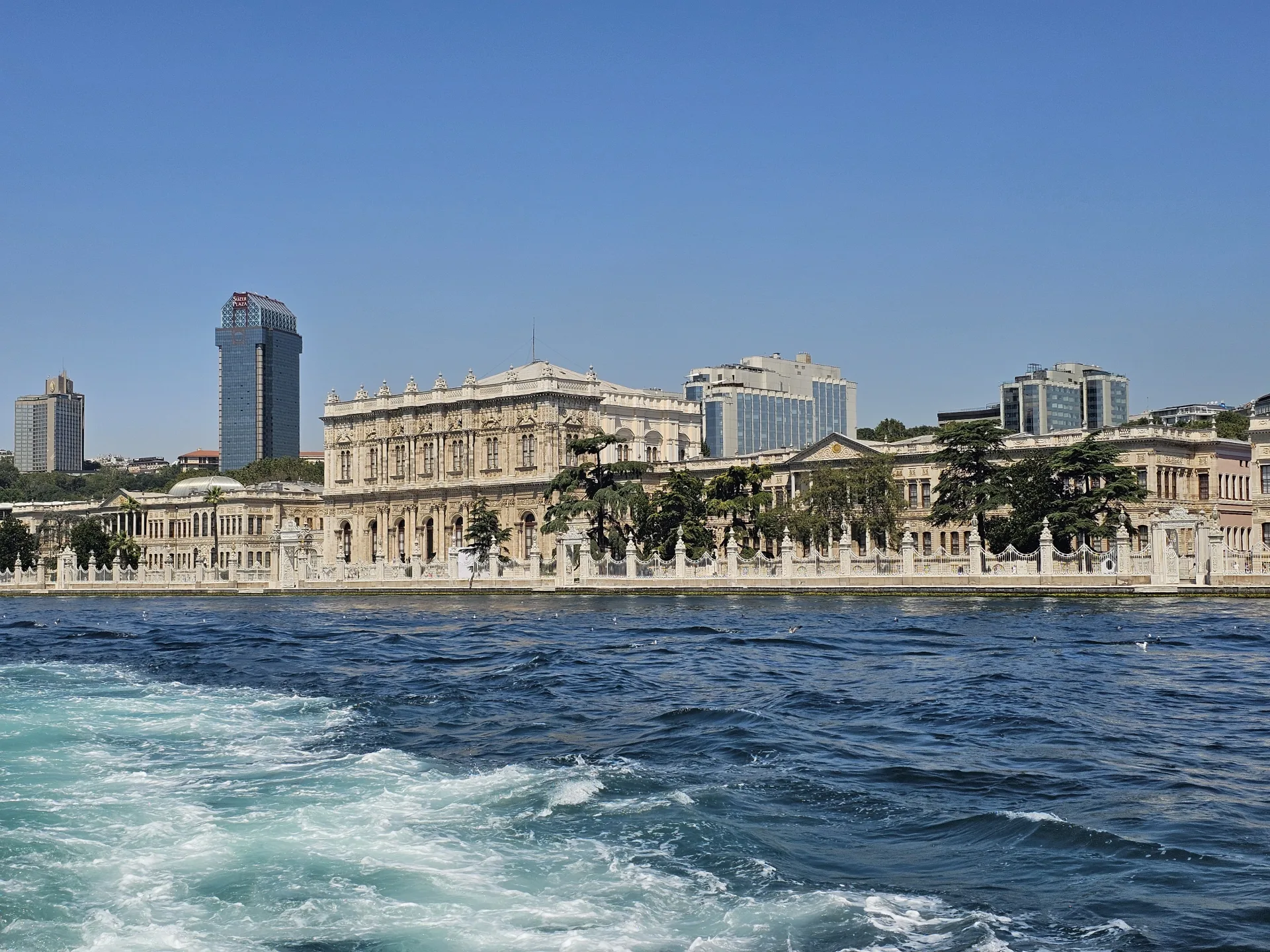
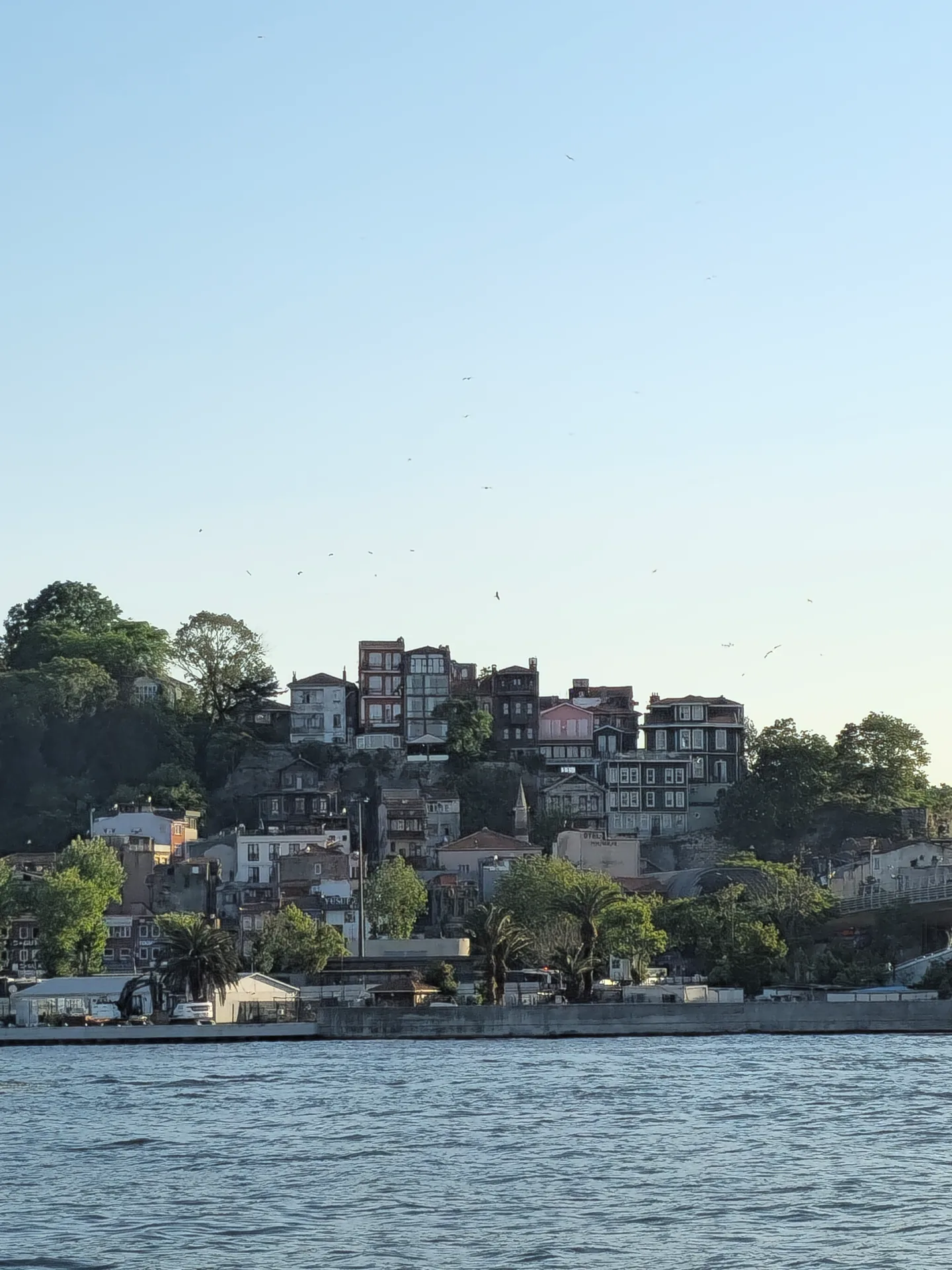
The Bosphorus gives a geographical reading of Istanbul through its two shores and waterfront settlements. Viewing buildings from the water is different from entering them, and the chosen travel format needs to preserve that distinction.
Dolmabahçe belongs to the Bosphorus waterfront and the later Ottoman palace landscape. Comparing it with the older palace complex can help explain changing architectural and ceremonial settings.
Ortaköy's mosque and waterfront square belong to the city's Bosphorus neighbourhood experience. The setting can be considered alongside shore views and nearby streets, without assuming a particular interior visit.
Çırağan is a reference point in the Ottoman waterfront palace landscape. A view from the shore or water and access to premises are different matters; the architectural context does not establish visitor entry or a hospitality booking.
The bridge is a useful reference for the relationship between Istanbul's European and Asian sides. It can be understood within a waterfront route, while crossing it is a transport decision rather than a promised sightseeing activity.
Rumeli Fortress occupies a prominent Bosphorus setting and introduces the strategic role of the strait. An exterior viewpoint and a visit within the site have different access and timing requirements.
Küçüksu adds a smaller-scale pavilion to the Bosphorus palace landscape. Its Asian-shore position helps connect architecture with the wider geography of the strait rather than presenting every waterfront building as the same kind of visit.
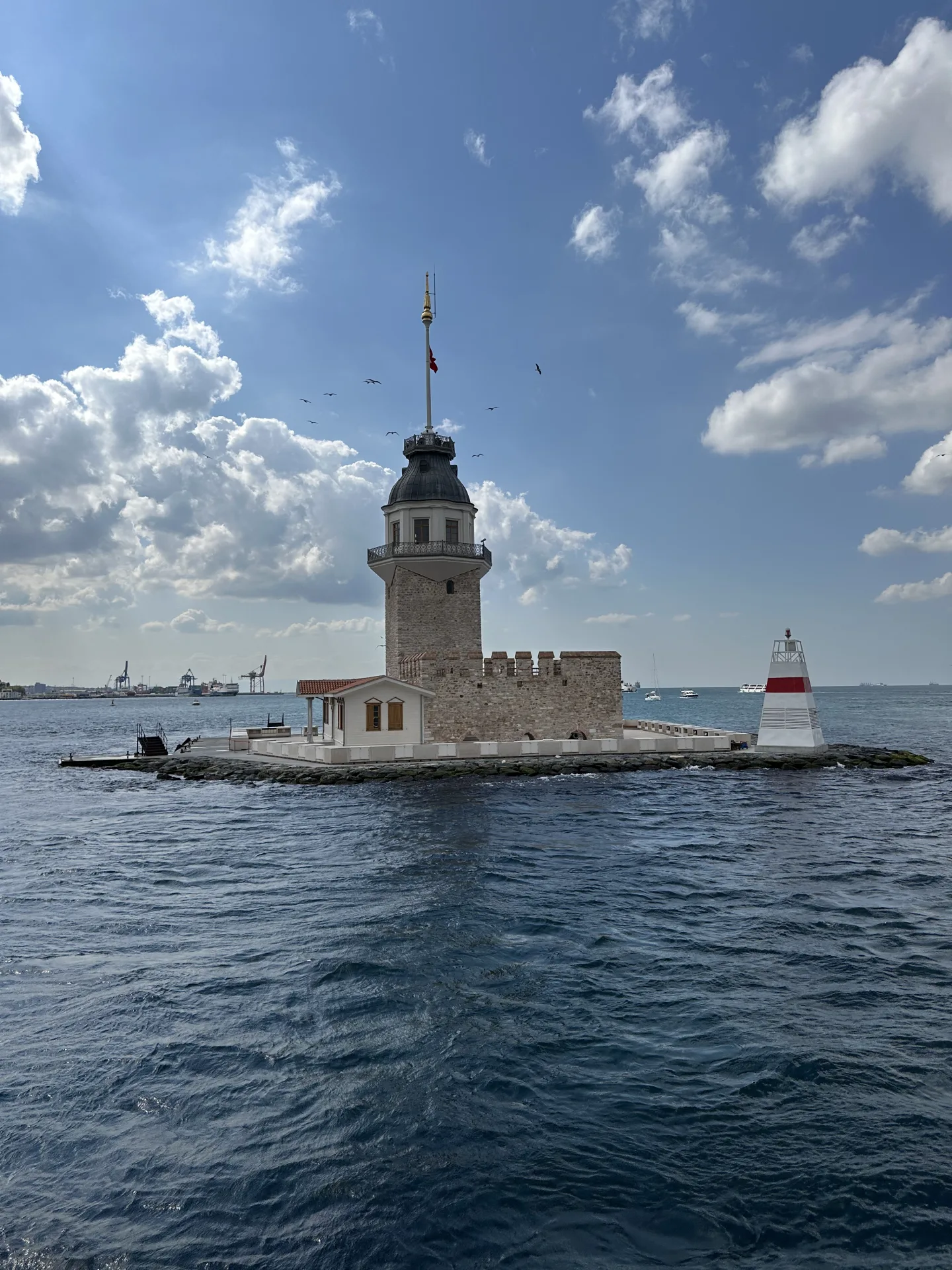
The tower's setting in the water makes it a recognisable reference between the shores. Understanding that geographical position is separate from arranging transport or admission to the tower itself.
Connections and scope to confirm
Clarify the actual starting point, end point, walking needs and any boat or road segment. Waterfront views do not establish entry to the buildings seen, and a cultural outline does not establish an admission or service reservation.
Transport, guiding language, admissions, meals and optional activities require a specific response. This is a proposed itinerary, with no inherited operator package or hotel commitment.